22Aug

URL Shortener for Recruitment: How Hiring Teams Can Manage Job Links

Recruiting has changed significantly over the last few years. The challenge isn't simply finding candidates anymore — it's keeping the entire hiring campaign organized.

A hiring team may have a job posting on LinkedIn, another version on a company careers page, several application links, referral campaigns, social media posts, email campaigns, and sometimes multiple openings for the same type of position.

When links are scattered across spreadsheets, emails, social posts, and messages, small problems can quickly become frustrating. A link gets changed, a campaign uses an outdated URL, or a recruiter has difficulty figuring out which channel is actually generating applications.

A simple link-management strategy can make this process much easier.

Why Job Links Matter More Than Recruiters Think

A job link is often the final step between a candidate discovering an opportunity and actually applying. Think about a typical recruitment campaign. A company may promote a single position across:

LinkedIn
Facebook
Instagram
Email
Employee Referrals
Online Communities
Newsletters
Paid Advertising
Job Boards

Each channel may send candidates to the same application page. Without proper organization, it becomes difficult to understand where applications are coming from and which campaigns deserve more attention — particularly for recruitment teams handling several openings simultaneously.

Keep Hiring Links Short and Easy to Share

Long URLs aren't necessarily a problem for a website, but they can become inconvenient when shared repeatedly. A shorter link is easier to use in social media captions, recruitment emails, digital advertisements, candidate messages, QR codes, presentation slides, and internal referral campaigns.

For teams managing many links at once, a bulk URL shortener can reduce repetitive manual work by allowing multiple URLs to be processed together — instead of shortening them one at a time from a spreadsheet.

That small improvement can save considerable time when campaigns scale. A good bulk URL shortener supports CSV, XLS, and XLSX uploads so large batches of job URLs can be processed at once.

Use Different Links for Different Recruitment Channels

One of the most useful practices is giving different campaigns their own trackable links. The destination can remain the same application page, but each channel gets a unique link — making it easy to see which source is generating real engagement.

Example: Software Engineer Hiring Campaign
LinkedIn Job Application Page Unique Link
Instagram Job Application Page Unique Link
Employee Referral Job Application Page Unique Link

The same approach applies across technical hiring, healthcare recruitment, executive search, high-volume campaigns, campus hiring, seasonal hiring, and referral programs. Aone Talent, for example, works across permanent placement, executive search, high-volume recruiting, technical recruiting, healthcare, finance, and sales/marketing recruitment — each requiring its own campaign structure.

Don't Turn Every Link Into a Tracking Project

There is also a balance to maintain. Recruiters don't need complicated tracking systems for every link they share. Start with the campaigns that matter most — and focus on answering genuinely useful questions:

  • Where are candidates discovering our jobs?
  • Which campaigns generate the most engagement?
  • Which channels are worth continuing?
  • Which job promotions need improvement?

That information helps recruiters make better decisions instead of relying entirely on assumptions.

100+ A typical staffing agency can have over 100 active job URLs running at any given time

Bulk Link Management Becomes Useful at Scale

Managing five links isn't difficult. Managing 100 or 1,000 is a different story. Recruitment agencies, staffing companies, and organizations running multiple hiring campaigns can have hundreds of active job URLs at any given time.

In those situations, a bulk URL shortener is useful because multiple links can be processed from CSV, XLS, or XLSX files instead of being handled individually — often with analytics and link management features built in alongside the shortening tool.

The important thing is to treat link management as part of the recruitment workflow — not as a separate technical task added on top of everything else.

Link Management Can Also Improve Candidate Experience

Candidate experience isn't only about interviews and communication. It starts when someone first sees a job opportunity. If the candidate clicks a confusing, broken, outdated, or unnecessarily complicated link, the first impression isn't ideal.

Recruitment teams should regularly check:

  • Does the link work and lead to the correct job?
  • Is the position still open?
  • Does the application page work properly on mobile?
  • Is the next step obvious to the candidate?
  • Are candidates being sent to the correct location?

A clean recruitment process reduces unnecessary friction. Aone Talent's recruiting workflow includes needs assessment, sourcing and screening, interview coordination, offer support, and post-hire follow-up. Good digital link management complements that workflow by making the earlier candidate journey more organized.


A Simple Workflow for Recruitment Teams

Here's a practical approach that doesn't require a complicated system.

01

Create a Central List

Keep all active job URLs in one spreadsheet or recruitment system — include job title, location, department, URL, campaign, channel, status, and date created.

02

Create Campaign-Specific Links

Use different links when you need to compare recruitment channels — same destination, different trackable URLs per source.

03

Use Short Links Where Sharing Matters

Use them in social posts, emails, referral messages, and QR codes — anywhere long URLs create unnecessary clutter.

04

Track Performance

Review clicks and available campaign data regularly to understand which channels are generating genuine interest in your job postings.

05

Clean Up Regularly

Remove or deactivate links connected to closed positions and update campaign records to keep your system accurate.

This five-step process is simple enough for a small HR team but can also be scaled for larger recruitment operations.

The Bigger Picture: Recruitment Is Becoming More Data-Driven

Recruitment is increasingly combining human judgment with technology. AI can help with matching and screening, while recruiters still bring context, communication, judgment, and an understanding of company culture. Aone Talent describes its approach as combining AI-powered solutions with recruitment expertise to help businesses connect with suitable talent.

The same principle applies to campaign management. Technology shouldn't replace recruiters — it should remove repetitive work so recruiters can spend more time on people. That includes something as simple as managing hundreds of job links.


Final Thoughts

Good recruitment doesn't depend on one tool. It depends on having a process that makes it easier to find candidates, communicate with them, measure what is working, and improve the experience along the way.

Short, organized, and trackable links are a small part of that process, but they become increasingly valuable as hiring campaigns grow. Whether you're promoting one job or managing hundreds of openings, the goal should be the same:

Make it easier for the right candidate to find the right opportunity.

And when your recruitment campaigns start generating dozens or hundreds of URLs, using a reliable URL shortener can be a practical way to keep those links organized and easier to manage.

Looking to Streamline Your Hiring?

Aone Talent helps businesses find, screen, and hire the right candidates faster — with a process built for scale.

Talk to Our Team
11Aug

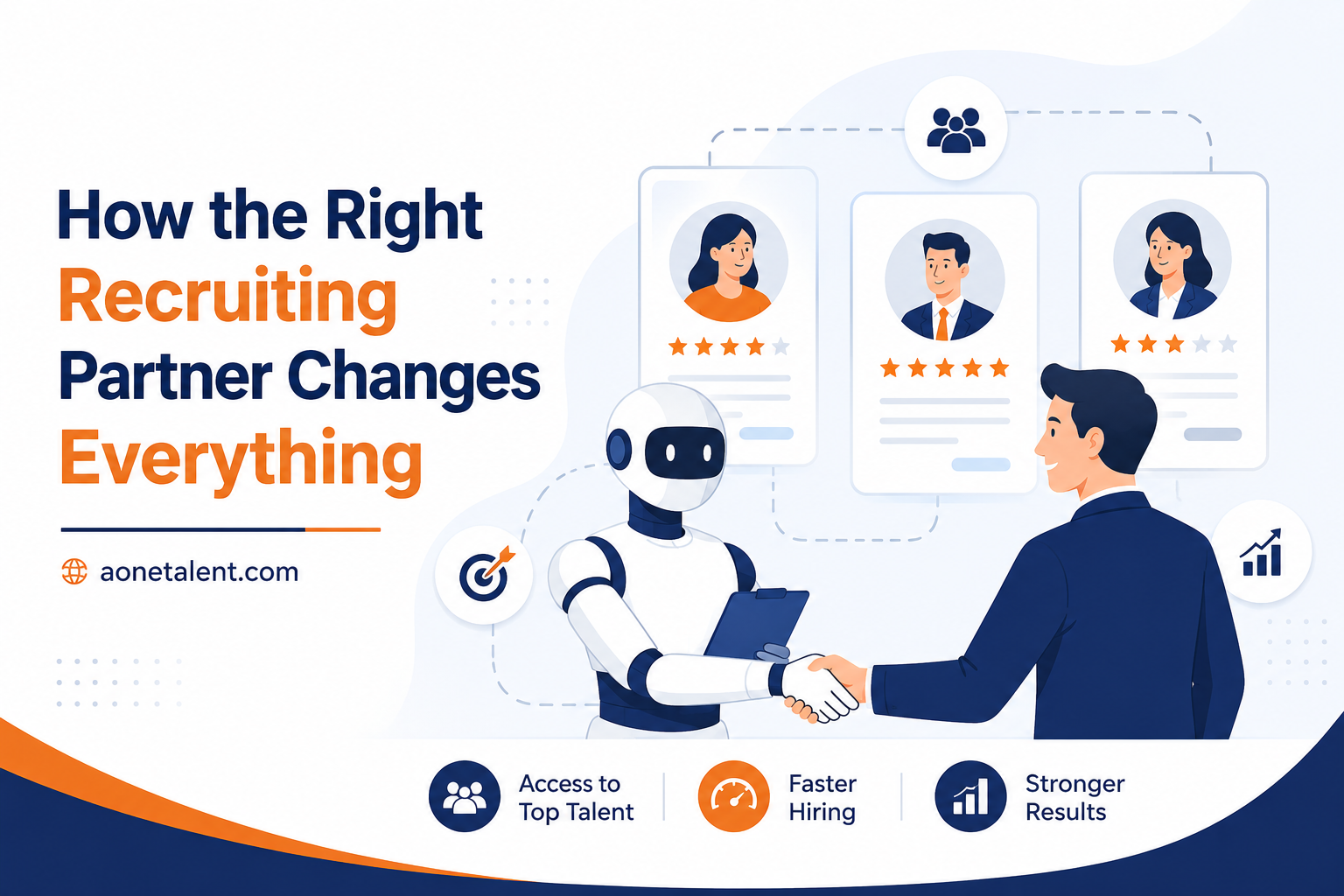
How the Right Recruiting Partner Changes Everything

Finding the right talent is one of the most important — and most difficult — things a business does. At Aone Talent, our recruiting services are built to make that process faster, smarter, and more effective for companies of every size across the United States.
72h
Average time to first candidate match
92%
One-year retention rate across placements
5K+
Successful placements since 2019

What Are Recruiting Services?

Recruiting services are professional solutions that help businesses find, attract, screen, and hire the right employees. Rather than handling every step of the hiring process internally — which takes significant time and resources — companies partner with a recruiting firm to access a wider talent pool, deeper expertise, and a faster process.

At Aone Talent, we handle the full recruiting lifecycle: from understanding your exact hiring needs to delivering screened, qualified candidates who are ready to contribute from day one.

What We Offer

Permanent Placement

We find full-time employees who fit your culture, your goals, and your team — not just candidates who match keywords on a job description. Our permanent placement service includes deep needs assessments, structured screening, and ongoing follow-up after the hire.

Executive Search

Leadership hires are high-stakes decisions. Our executive search practice is designed for C-suite, director, and senior management roles — where the wrong hire is costly and the right one transforms an organization.

Contract & Temporary Staffing

Need to scale fast for a project, a season, or a team expansion? We place skilled professionals on contract and temporary terms — giving you flexibility without sacrificing quality.

Contract-to-Hire

The contract-to-hire model lets you evaluate a candidate on the job before committing to a permanent offer. It reduces risk and increases confidence in every hiring decision.

High-Volume Recruiting

When your business needs to hire quickly at scale — we have the infrastructure, the talent network, and the process to deliver. From 10 hires to 1,000, we make volume manageable.

Industries We Serve

Our recruiting teams have deep expertise across the sectors where hiring is most competitive:

  • Technology & IT — developers, engineers, data scientists, cybersecurity
  • Healthcare — nurses, physicians, clinical specialists, allied health
  • Finance & Banking — analysts, accountants, risk managers, CFOs
  • Engineering — mechanical, civil, electrical, manufacturing
  • Corporate & HR — business partners, operations, talent acquisition
  • Logistics & Supply Chain — coordinators, managers, analysts

How Our Process Works

We keep it simple, transparent, and fast — five clear steps from first call to successful hire:

  • Discovery: We listen first. We learn your business, your culture, and exactly what success looks like for this role.
  • Sourcing: We tap our national network of pre-vetted professionals and use AI-powered matching to find the best candidates quickly.
  • Screening: Every candidate is thoroughly evaluated — skills, experience, culture fit, and career goals — before we submit anyone to you.
  • Interview Support: We coordinate scheduling, prepare candidates, and keep communication flowing on both sides.
  • Offer & Follow-Up: We support the offer process and check in after placement to ensure the hire is working for everyone.

Our promise: You will receive your first qualified candidates within 72 hours of briefing. We do not send volume — we send the right people.

Why Choose Aone Talent?

  • 6+ years of recruiting experience across the US market
  • 300+ active partner companies in our network
  • 15+ industries covered with dedicated specialist recruiters
  • 92% one-year retention rate — we get the match right
  • Part of Aone Consulting LLC — a trusted name in staffing since 2019
  • Nationwide reach — remote, hybrid, and on-site roles across all 50 states

Ready to Start Hiring?

Whether you need one critical hire or a hundred, our team is ready to help. Reach out today and let us show you a better way to recruit.

Let's Find Your Next Great Hire

Talk to a recruiter today — free consultation, no commitment. First candidates delivered in 72 hours.

Book a Consultation Browse Open Jobs
Recruiting Services Staffing USA Hiring Solutions Talent Acquisition Aone Talent Permanent Placement Executive Search
31Jul

AI & the Future of US Jobs in 2026: What Every Professional Must Know

AI & the Future of US Jobs in 2026: What Every Professional Must Know | Aone Talent
Deep Research · August 2026

AI & the Future of US Jobs
in 2026: The Complete Picture

From displaced roles to the highest-paying new careers — everything professionals and employers need to know right now.

✍️ Aone Talent Research Team 📅 August 2026 ⏱️ 10 min read 🔍 Deep Research
170M
New jobs created globally by 2030 (WEF)
56%
Wage premium for AI-skilled workers (PwC 2026)
$160K
Median US salary for AI roles in 2026
40%
Global jobs exposed to AI disruption (IMF)

The conversation about AI and jobs has shifted. We are no longer asking "will AI affect employment?" — we are watching it happen in real time. In 2026, the US labor market sits at a true inflection point: AI is simultaneously erasing entire categories of work and creating some of the highest-paying roles in history. This guide cuts through the noise with the latest data, real salary figures, and actionable steps for both job seekers and employers.

📊 Section 1

The State of AI & the US Job Market in 2026

The US labor market in 2026 is being shaped by two forces simultaneously pulling in opposite directions. On one side, AI is automating tasks at a pace never seen before. On the other, the economic boom around AI infrastructure and applications is creating massive demand for skilled workers.

4.3%
US unemployment rate — near 9-month low despite AI disruption
Bureau of Labor Statistics, March 2026
178K
Nonfarm payrolls added in March 2026, showing resilient job growth
BLS / JPMorgan Research, 2026
24%
of US employers are actively hiring MORE people because of AI adoption
ZipRecruiter AI Employer Report, 2026
16K
Net US jobs erased per month by AI (25K displaced, 9K created back)
Goldman Sachs, April 2026

"The big story in 2026 in labor will be AI. Companies are using AI to reshape their teams, speed up hiring processes, and raise the bar on what they expect from employees."

— Goldman Sachs Research, 2026

Perhaps the most important data point: only 16% of US employers are hiring fewer people due to AI, while 24% are hiring more. The net story is far more nuanced than the headlines suggest.

⚠️ Section 2

Which Jobs Are Being Displaced?

AI displacement is not random. It follows a clear pattern: routine, rule-based, and repetitive tasks are being automated first. The highest risk jobs are those where a significant portion of daily work can be codified into algorithms.

📌

As of 2026, AI has been directly cited in approximately 175,796 US job cuts since tracking began in 2023. This only counts cases where employers explicitly stated AI as the reason — the true figure is significantly higher when quiet hiring freezes are included.

🔴 High Risk — Being Displaced

  • ❌ Data entry & processing clerks
  • ❌ Customer service scripting roles
  • ❌ Basic content & copywriting
  • ❌ Routine legal research
  • ❌ Basic code generation tasks
  • ❌ Bank tellers & cashiers
  • ❌ Content moderation
  • ❌ Basic accounting & bookkeeping
  • ❌ Telemarketing & cold calling

🟢 Low Risk — AI-Resistant

  • ✅ Skilled trades (electricians, plumbers)
  • ✅ Mental health counseling
  • ✅ Surgical & medical specialties
  • ✅ Executive leadership & strategy
  • ✅ Complex sales & negotiation
  • ✅ Creative direction & art
  • ✅ Physical therapy & rehabilitation
  • ✅ Early childhood education
  • ✅ Empathy-driven social work

📉 Entry-Level Job Decline by Sector (2023–2026)

Tech (Entry-Level)-25%
Administrative Support-24%
Customer Service-18%
Basic Content/Marketing-15%
Global Entry-Level (All)-29%

Source: Randstad 2026, ZipRecruiter, Goldman Sachs

The generation hit hardest? Gen Z. Workers aged 18–24 are 129% more likely than those over 65 to worry AI will make their job obsolete — and their fears are not unfounded. Entry-level hiring at the top 15 tech companies fell 25% from 2023 to 2024, and the decline continued into 2026.

🚀 Section 3

Which New Jobs Is AI Creating?

Here's the crucial counterpoint: the World Economic Forum projects that while 92 million jobs will be displaced by AI by 2030, 170 million new roles will be created — a net gain of 78 million jobs globally. The challenge is that the new jobs require fundamentally different skills than the ones being lost.

640K+
AI-linked healthcare jobs created in 2025 alone — the single largest sector
Onward Search / HeroHunt.ai, 2026
650K
Data center jobs projected by 2026 — up 30% from 2023 due to AI infrastructure
IEEE Spectrum, 2026

The Stargate Project — a $500 billion initiative between OpenAI, Oracle, and SoftBank — alone promises more than 100,000 new US jobs across construction, operations, and AI infrastructure roles. This is just one project.

💡

The fastest-growing roles in 2026 are not "pure AI" roles. They combine AI technical knowledge with domain expertise — a healthcare professional who understands AI diagnostics, a finance expert who can audit AI trading models, a lawyer who can navigate AI compliance. The overlap is where the premium lies.

  • 🤖AI/ML Engineer — Designing algorithms that power intelligent systems across every industry
  • 🏗️MLOps Engineer — Deploying and maintaining machine learning in production environments
  • 🔐AI Security Engineer — Protecting AI systems from adversarial attacks and data breaches
  • ⚖️AI Ethics & Compliance Officer — EU AI Act classifies workplace AI as "high risk" — every org needs this role
  • 💬Prompt Engineer — Demand surged 135.8% in recent quarters; went from novelty to necessity in 18 months
  • 📊AI Product Manager — Bridging technical AI capabilities with business outcomes
  • 🏥Clinical AI Specialist — Implementing AI diagnostics and predictive analytics in healthcare
  • 🧠LLM Engineer — Building and fine-tuning large language model applications
💰 Section 4

Top AI Job Salaries in the US — 2026

AI salaries in 2026 are extraordinary. The median salary for AI-specific roles sits around $160,000 annually — more than 2× the national private-sector average. At the frontier, compensation is staggering.

💵 US AI Job Salary Ranges — 2026

Annual base salary by role and experience level

ML Engineer (Senior)
$208K
$208K
AI Business Dev Manager
$196K
$196K
AI Solutions Architect
$180K
$180K
Generative AI Engineer
$170K
$170K
AI Research Scientist
$156K
$156K
Data Scientist (AI)
$142K
$142K
AI Product Manager
$130K
$130K
Prompt Engineer
$108K
$108K

"Workers with AI skills earned a 56% wage premium in PwC's 2026 Global AI Jobs Barometer — more than double the 25% premium recorded just one year earlier. This is a market repricing in real time."

— PwC Global AI Jobs Barometer, 2026 / ValueAdd VC Analysis

The most critical insight for job seekers: you do not need to be a pure AI engineer to earn the AI premium. Any professional who adds demonstrable AI skills to their existing role — a nurse who understands AI diagnostics, an accountant who can use AI forecasting tools — immediately enters a higher wage band.

$70K–$120K
Entry-level AI roles starting salary range in 2026
Research.com / ValueAdd VC, 2026
$300K+
Top AI roles at leading companies — some frontier hires exceed $600K total comp
Levels.fyi / SkillifySolutions, 2026
🏭 Section 5

Industries Creating the Most AI Jobs in 2026

AI job creation is no longer concentrated in Silicon Valley. The 2026 data reveals a dramatic expansion across industries that were never considered "tech" sectors.

🏥
Healthcare
640,000+ jobs created
🏭
Manufacturing
620,000+ AI positions
💰
Financial Services
470,000+ new roles
🖥️
Data Centers
650K jobs by 2026
🛒
Retail & E-Commerce
Rapid AI adoption
Energy (Clean Tech)
+44% wind turbine tech

📈 AI Job Growth Rate by Industry (2024–2026)

Healthcare (AI Diagnostics)+38%
Data Center / Infrastructure+30%
Financial Services (AI)+26%
Cybersecurity (AI-driven)+32%
AI-Specific Tech Roles+22%

Sources: BLS, HeroHunt.ai, IEEE Spectrum, McKinsey 2026

🛡️ Section 6

How to Survive and Thrive in the AI Job Market

The data is clear: workers who adapt are not just surviving — they are earning significantly more. Here is the most direct path forward for US professionals in 2026.

01

Add AI Skills to Your Existing Role

You don't need to become an AI engineer. A nurse using AI diagnostic tools, a marketer using AI analytics, or an accountant using AI forecasting tools all access the 56% wage premium. Start with the AI tools already entering your industry.

02

Get Certified — The Right Certs Matter

AWS Certified Machine Learning Specialty (~20% salary premium) and Google Professional ML Engineer (~25% premium) appeared in 40% more job postings than competing certifications. Platform match matters — check your target employers first.

03

Move Toward Human-Centered Skills

AI cannot replicate emotional intelligence, complex negotiation, ethical judgment, or creative strategy at the human level. These are your moat. Invest in skills AI genuinely struggles with.

04

Learn Python and Cloud Platforms Basics

Even non-technical workers benefit from basic Python literacy and understanding of cloud platforms (AWS/Google Cloud). These skills increase your value across every department and make collaboration with AI teams far more effective.

05

Partner with a Specialist Recruiter

AI has changed what employers are looking for faster than most job seekers realize. A specialist recruiter like Aone Talent can pinpoint exactly which skills are valued in your target sector right now — and connect you with the right opportunities.

📊

The numbers behind upskilling: 89% of organizations say upskilling existing employees is more cost-effective than hiring new talent. Amazon spent $1.2B on upskilling and moved 100,000 employees into higher-skilled roles. JPMorgan commits $600M annually for training. 75% of US employers now rank lifelong learning as a top priority.

🏢 Section 7

What Employers Must Do Right Now

For US businesses, 2026 is the year of reckoning. The companies that navigate AI hiring best are those treating it as a people strategy, not just a technology strategy.

  • 🎯Rewrite job descriptions immediately. AI has changed what "qualified" means for almost every role. Job descriptions written in 2023 are already outdated — 70% of job skills are projected to change by 2030 (McKinsey).
  • 📈Invest in internal upskilling before external hiring. With AI skills commanding a 56% premium, retaining and reskilling your current team is both cheaper and faster than competing for scarce AI talent.
  • 🔍Audit your AI displacement risk honestly. Which roles in your organization have 50%+ of their tasks automatable? Plan those transitions proactively rather than reactively.
  • 🤝Partner with AI-savvy recruiters. The talent market for AI-adjacent roles is moving faster than internal HR teams can track. Specialist partners like Aone Talent's recruiting division stay ahead of this in real time.
  • ⚖️Build an AI governance framework. The EU AI Act classifies workplace AI as "high risk" — compliance requirements are coming to the US market. Start your governance infrastructure now.
  • 🌍Expand hiring geography. Remote AI work opens your talent pool to the entire US. The best AI candidates are not necessarily in your city — work with staffing partners who can source and vet nationally.
88%
of global organizations utilized AI in at least one business function in 2025
McKinsey, 2026
90%+
of business leaders are budgeting for AI tools, upskilling, or enablement in 2026
Onward Search, 2026
🤝 Section 8

How Aone Talent Can Help You Navigate the AI Job Market

Whether you are a professional trying to position yourself for the AI economy, or an employer trying to find the talent that will define your next chapter — you should not be doing this alone. The AI job market moves too fast, and the stakes are too high for guesswork.

At Aone Talent, we have spent 6+ years building deep networks across the exact industries where AI demand is concentrated: technology, healthcare, finance, and engineering. We understand the skills gap, the salary benchmarks, and the hidden opportunities that never make it to public job boards.

🚀 Ready to Make Your Move in the AI Economy?

Aone Talent connects 5,000+ professionals and 300+ companies every year across the US. Whether you need your next great role or your next great hire — we deliver in 72 hours or less.

AI Jobs 2026 US Labor Market Future of Work Machine Learning Careers AI Salaries Job Displacement Upskilling Tech Hiring Aone Talent
28Jul

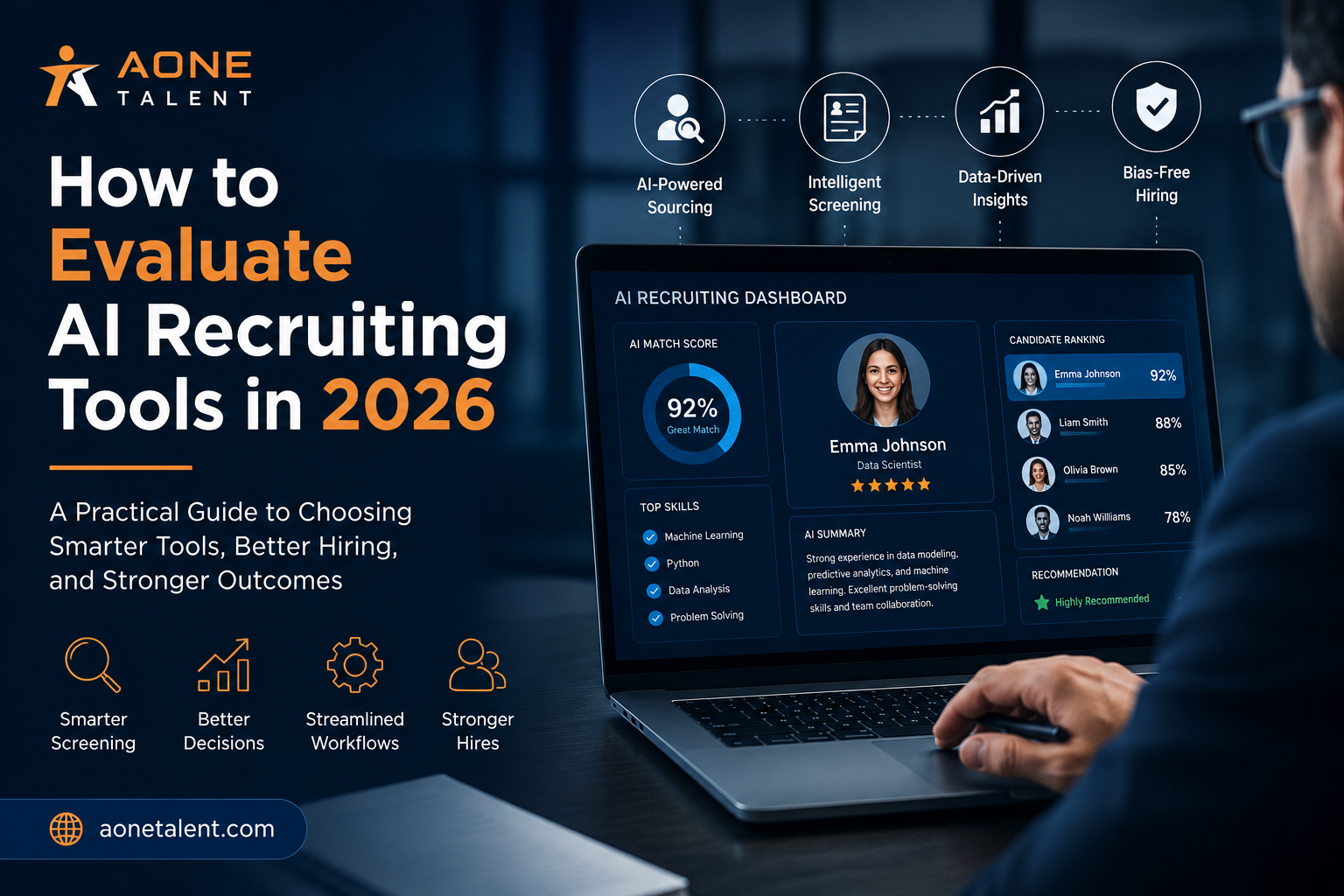
How to Evaluate AI Recruiting Tools in 2026

How to Evaluate AI Recruiting Tools in 2026 | Aone Talent
📖 Recruitment Insights · 2026

How to Evaluate AI Recruiting Tools in 2026

🗓️ 2026 ⏱️ 6 min read ✍️ Aone Talent

Artificial intelligence has become a standard part of the recruiting toolkit. In 2026, the challenge is no longer deciding whether to use AI — it's determining which AI recruiting platform genuinely improves hiring outcomes. Many vendors promise faster hiring, better candidate matching, and automated workflows. However, the most effective solution is the one that aligns with your hiring strategy, integrates with your existing systems, and helps recruiters make better decisions rather than replacing them.

AI Recruiting Tools Evaluation 2026
AI-powered recruitment is transforming how companies find and hire top talent

1 Start with Your Hiring Challenges

Before comparing software, identify the problems you want AI to solve. Choosing a tool without defining these priorities often leads to paying for features your team never uses.

  • Are recruiters spending too much time sourcing candidates?
  • Is resume screening slowing down hiring?
  • Are candidates dropping out because communication is inconsistent?
  • Is interview scheduling consuming valuable recruiter time?

2 Measure Business Impact, Not Just Automation

Automation alone doesn't guarantee better hiring. Evaluate whether the platform can improve metrics that matter, such as:

  • Time-to-fill
  • Quality of hire
  • Recruiter productivity
  • Candidate response rates
  • Hiring manager satisfaction
  • Cost per hire

"The best AI tools help recruiters spend more time building relationships and less time on repetitive administrative work."

3 Evaluate Transparency

Modern AI should explain its recommendations whenever possible. Look for tools that can clearly communicate:

  • Why a candidate was recommended
  • Which skills influenced the ranking
  • How job requirements were matched
  • When recruiters can override AI suggestions

Transparent systems help recruiters make informed decisions and build confidence in the technology.

4 Prioritize Responsible AI

Responsible AI in Recruitment
Responsible AI practices protect both employers and candidates

Responsible AI is becoming a competitive advantage. When evaluating vendors, ask:

  • How is candidate data protected?
  • What safeguards exist to reduce unfair bias?
  • How frequently are AI models updated?
  • Can hiring teams audit AI recommendations?
  • Does the platform support compliance with applicable privacy and employment regulations?

Responsible AI practices protect both employers and candidates while supporting consistent hiring decisions.

5 Review Integration Capabilities

Even powerful AI creates friction if it doesn't fit into existing workflows. Look for integrations with your:

  • Applicant Tracking System (ATS)
  • HRIS
  • Video interviewing platforms
  • Calendar applications
  • Email systems & communication tools

Smooth integrations reduce manual work and encourage user adoption.

6 Assess Candidate Experience

Candidates increasingly expect timely communication and a straightforward hiring process. A strong AI recruiting platform should support:

  • Personalized communication
  • Fast application responses
  • Interview scheduling assistance
  • Status updates & recruiter handoffs when needed

"AI should enhance human interaction — not make the hiring process feel impersonal."

7 Verify Analytics and Reporting

Recruiting leaders need evidence that AI is delivering value. Useful dashboards should provide insights into:

  • Hiring funnel performance
  • Source effectiveness
  • Recruiter workload
  • Diversity metrics (where appropriate and compliant)
  • Pipeline health & AI-assisted productivity gains

8 Consider Scalability

Hiring needs change quickly. Choose a solution that can support:

  • Seasonal hiring spikes
  • Global recruitment
  • Multiple business units & job families
  • Future AI capabilities

A scalable platform reduces the need for disruptive technology changes as your organization grows.

9 Don't Ignore User Experience

The best AI platform is one recruiters actually enjoy using. During demonstrations or trials, evaluate:

  • Ease of navigation & learning curve
  • Workflow customization
  • Mobile accessibility
  • Recruiter feedback

A simple, intuitive interface often delivers higher adoption than a platform packed with rarely used features.

10 Request Real Performance Evidence

Instead of relying solely on marketing claims, ask vendors to demonstrate measurable results. Request:

  • Customer success stories
  • Implementation timelines
  • Adoption metrics & ROI examples
  • References from organizations with similar hiring needs

As organizations continue investing in AI throughout 2026, success will depend less on adopting the newest technology and more on selecting solutions that are transparent, responsible, scalable, and aligned with real recruiting goals.

The future of hiring belongs to organizations that combine AI-powered efficiency with human judgment — creating a recruitment process that is faster, fairer, and more engaging for everyone involved.

🚀 Partner with Aone Talent Today

At Aone Talent, we combine cutting-edge AI technology with deep human expertise to connect top professionals with leading companies across 15+ industries nationwide.
Let us help you build smarter, faster, and more effective hiring strategies — tailored to your business goals.

Visit Aone Talent →
AI Recruiting 2026 Hiring Talent Acquisition HR Technology Responsible AI Aone Talent
21Apr

Digital Transformation’s Effect on Talent Acquisition

Digital Transformation’s Effect on Talent Acquisition

How technology is reshaping modern hiring and recruitment strategiesDigital hiring transformation

Digital transformation hasn’t just improved hiring, it has redefined what hiring is. Talent acquisition is no longer a linear process (post → apply → interview → hire). It’s now a continuous, data-rich ecosystem where employers and candidates interact long before and after a job opening exists.

Real-Time Employer Branding

Employer branding

Employer reputation is no longer controlled solely by the organization.
Candidates actively research companies through platforms like
Glassdoor
and social channels such as
LinkedIn.
Digital transformation has made employer branding transparent and dynamic, where employee voices, reviews, and online presence directly impact hiring success.

Skills Become the New Currency

Skills hiring

Degrees and job titles are losing dominance as hiring filters.
Digital assessments, online credentials, and project-based evaluations—often supported by learning platforms like
Coursera—allow employers to measure what candidates can actually do.
This shift promotes inclusivity and adaptability, aligning hiring with the realities of rapidly changing job requirements.

Talent Without Borders

Talent Without Borders

Digital transformation has dissolved geographic constraints.
With remote hiring and collaboration tools, companies now compete in a global talent marketplace. Platforms like
Upwork enable access to specialized skills on demand, while full-time roles are increasingly location-agnostic.
This expands opportunity but also intensifies competition, forcing companies to differentiate themselves beyond salary.

The Experience Economy Comes to Hiring

Candidate experience

Candidates now expect the same seamless digital experience they get from consumer apps.
Organizations use tools such as
Greenhouse
to create structured, transparent hiring journeys with automated updates, easy scheduling, and personalized communication.
The result is a shift from “application process” to candidate experience design, where every touchpoint influence employer brand perception.

From Human Judgment to Human + Machine Collaboration

Rather than replacing recruiters, technology augments their capabilities.
AI-driven systems integrated into tools like
Workday
can analyze thousands of profiles in seconds, identifying patterns that humans might miss. Recruiters, in turn, focus on contextual judgment—culture fit, motivation, and long-term potential.
This hybrid decision-making model is more powerful, but it also introduces new responsibilities around algorithm transparency and fairness.

The Changing Identity of Recruiters

Recruiters are evolving into talent advisors and data interpreters.
They must:

  • Understand analytics dashboards
  • Leverage automation tools
  • Build long-term candidate relationships
  • Align hiring strategies with business goals

This marks a shift from administrative work to strategic influence within organizations.

Final Thoughts

Digital transformation has transformed talent acquisition into a continuous, intelligent, and experience-driven ecosystem. The organizations that succeed are not just those adopting new tools, but those rethinking how they connect with talent in a digital-first world.

For More Information

Come join us at Aone Talent. Our team experts will help you with all the recruiting and consulting services. Visit us https://aonetalent.com or email us at info@aonetalent.com

18Mar

Developing talent for our Digital Future

Developing Talent for Our Digital Future has become an important focus in workforce development, human resource strategies, and modern education systems. As digital technologies and artificial intelligence continue to reshape industries, organizations and institutions must prepare individuals with the skills, capabilities, and mindset required to thrive in this evolving environment.

Several key themes and focus areas are commonly linked to developing talent for the digital future.

Investing in Upskilling and Reskilling

Organizations play an important role in supporting employee development by providing opportunities for both upskilling and reskilling. Upskilling helps employees strengthen their current abilities, while reskilling prepares them for new roles that may emerge as technology transforms job requirements. These initiatives enable businesses to remain innovative while supporting the career advancement of their workforce.

Developing AI and Technology Awareness

As artificial intelligence and automation become increasingly integrated into business operations, employees need a basic understanding of these technologies. Technology awareness helps workers understand how digital systems function and how they can be used to improve efficiency, support decision-making, and streamline tasks.

Fostering Creativity and Analytical Thinking

Preparing talent for the digital era also involves nurturing creative thinking and problem-solving skills. Employees should be able to analyze challenges, think critically, and develop innovative solutions using available technologies. These abilities allow organizations to adapt to change and take advantage of new opportunities.

Promoting Digital Leadership and a Supportive Culture

Leadership plays a vital role in guiding organizations through digital transformation. Leaders must encourage a culture that values innovation, collaboration, and continuous improvement. By supporting employees as they adopt new technologies and ways of working, leaders can create an environment where digital growth thrives.

Building Digital Capabilities

Developing strong digital skills is a fundamental step in preparing individuals for the modern workplace. Employees need the ability to confidently use digital tools and platforms that support daily work activities. Skills such as data interpretation, online collaboration, cloud-based systems, and cybersecurity awareness help individuals perform tasks more efficiently and adapt to technology-driven environments.

Encouraging Lifelong Learning

In a world where technology changes rapidly, learning must continue beyond formal education. Lifelong learning promotes the habit of regularly improving knowledge and skills through training programs, online learning platforms, workshops, and professional certifications. This continuous development allows individuals to stay competitive and respond effectively to new workplace demands.

Overall, these priority areas emphasize the importance of building a workforce that is flexible and technologically proficient. By focusing on digital skills, continuous learning, and workforce adaptability, organizations and individuals can successfully navigate the opportunities and challenges created by AI-driven transformation.

27Feb

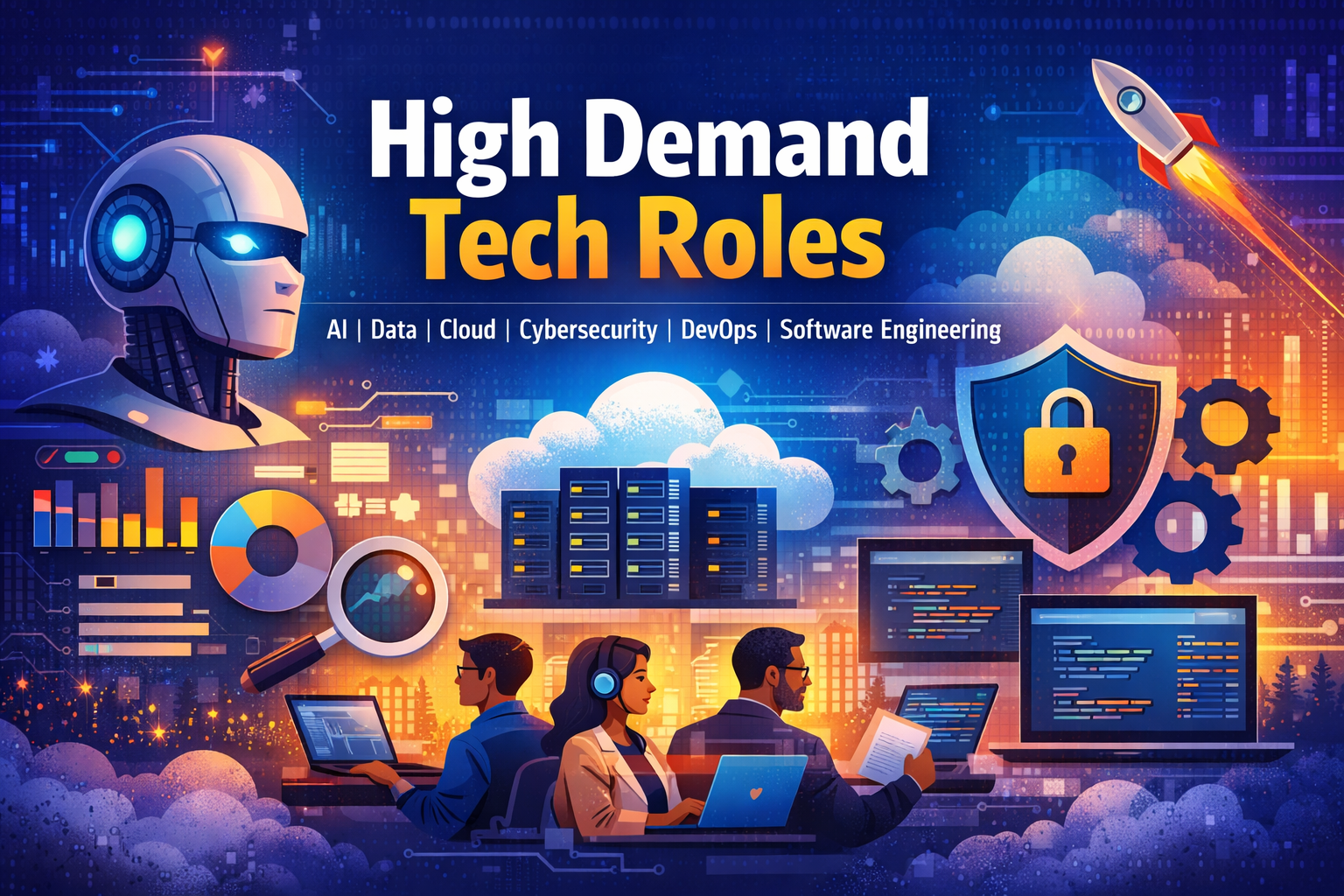
High Demand Tech Roles in 2026

High-demand tech roles center on AI, data, cloud, cybersecurity, and software engineering as companies accelerate digital transformation. These roles require strong technical skills, problem-solving ability, and adaptability to fast-evolving technologies.

Tech skills for the future

AI / Machine Learning Engineer

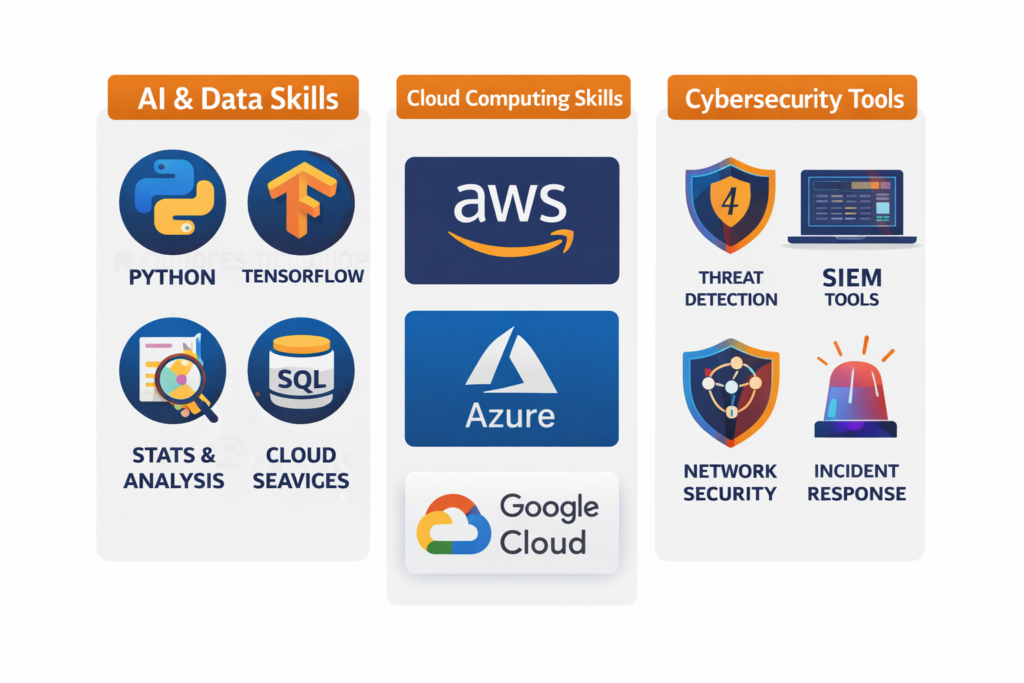
Reason for high demand: Industries across the board are striving to adopt AI technologies, including recommendation systems, automation, generative AI, forecasting, and others. Essential skills: Python, TensorFlow, data pipelines, model deployment, and cloud ML services.

Data Scientist / Data Analyst

Reason for demand: Organizations seek to extract insights from the extensive data they gather. Essential skills: SQL, Python/R, statistical analysis, dashboard creation (Power BI, Tableau), experimentation.

Cloud Engineer / Cloud Architect

Reason for high demand: Companies are transitioning all their operations to AWS, Azure, and Google Cloud. Essential skills: Cloud infrastructure, Kubernetes, Terraform, networking, and security.

Cybersecurity Analyst / Engineer

Reasons for Demand: The rise in threats necessitates that organizations safeguard their data and systems. Essential Skills: Threat detection, incident response, SIEM tools, network security, and compliance.

DevOps / Site Reliability Engineer (SRE)

Reason for demand: Contemporary software necessitates quick, dependable deployment and automation. Essential skills: CI/CD, Docker, Kubernetes, scripting, and observability tools.

Software Engineer (Full-Stack / Backend)

Reason for demand: They continue to be essential for digital products, including web applications, APIs, and mobile applications. Key skills: JavaScript/TypeScript, Python, Java, Go, and frameworks such as React, Node, and Spring.

Technical Product Manager

Reason for Demand: Organizations require individuals capable of converting business requirements into technical implementation. Key Skills: Creating roadmaps, conducting user research, analyzing data, and leading cross-functional teams.

UX/UI Designer

Reason for demand: A superior user experience offers a significant competitive edge. Essential skills: Figma, prototyping, user research, design systems.

Data Engineer

Reason for demand: AI and analytics rely on well-organized, scalable data pipelines. Essential skills: ETL, SQL, Python, Spark, cloud data warehouses (Snowflake, Big Query).

AI Prompt Engineer / LLM Specialist

Reasons for demand: Organizations are eager to incorporate generative AI into their operations and offerings. Essential skills: Understanding LLM behaviour, prompt crafting, retrieval systems, and evaluation frameworks.

Key Skills Companies Are Recruiting for in 2026

For more info and knowledge, come join us at Aone Talent 

Our team experts will help you with all the recruiting and consulting services. Visit us https://aonetalent.com or email us at info@aonetalent.com

21Feb

Key Skills Companies Are Recruiting for in 2026

The hiring landscape in 2026 reflects a powerful shift: companies are no longer searching for professionals who only “know the tools.” Instead, they want talent that can apply technology strategically, adapt quickly, and collaborate effectively.

Technical depth still matters – but it must be paired with critical thinking, innovation, and a strong sense of responsibility

Here is a fresh look at the most in-demand skills shaping technical hiring in 2026:

1. Expertise in Emerging and Core Technologies

Modern employers expect strong command over high-impact technologies that drive digital transformation.

Artificial Intelligence & Machine Learning

Professionals must not only develop and deploy intelligent systems but also understand model optimization, bias reduction, and responsible AI implementation.

Cloud Computing & Distributed Systems

Experience designing and managing scalable infrastructure across single or multi-cloud environments is essential. Knowledge of performance optimization, cost control, and cloud security adds major value.

Cybersecurity & Risk Management

With cyber threats growing more sophisticated, companies seek experts who can implement proactive defense strategies, zero-trust frameworks, and secure coding standards.

2. Modern Software Engineering Excellence

In 2026, writing code is just the starting point. Employers value engineers who can build reliable, scalable, and maintainable systems.

  • Proficiency in full-stack development
  • Strong understanding of software architecture and clean code principles
  • Automated testing and quality assurance practices
  • Experience with DevOps, CI/CD pipelines, and deployment automation

Speed matters – but sustainable, high-quality development matters more.

3. Systems and Architectural Thinking

As digital ecosystems grow more interconnected, companies need professionals who see the bigger picture. Systems thinking involves understanding how components interact, identifying bottlenecks, and designing flexible architectures that can evolve with business needs.

This capability reduces technical debt, improves efficiency, and supports long-term scalability.

4. Continuous Learning and Agility

  • Actively reskill and upskill
  • Experiment with emerging technologies
  • Thrive in fast-changing or ambiguous environments

Adaptability has become a competitive advantage rather than a soft trait.

5. Advanced Problem-Solving Abilities

  • Break down complex problems into manageable parts
  • Identify root causes quickly
  • Propose scalable and practical solutions

Strong analytical skills directly influence innovation and operational efficiency.

6. Collaboration and Communication Skills

Technology projects are rarely solo efforts. Engineers and technical experts must work closely with designers, product managers, executives, and clients.

The ability to explain complex concepts in simple terms and align with cross-functional teams significantly increases professional impact.

7. Business and Product Awareness

  • Prioritizing user experience
  • Connecting technical decisions to business outcomes
  • Balancing innovation with practicality

8. Ethical Technology and Governance Knowledge

Awareness of data privacy, fairness in algorithms, transparency, and compliance standards is now fundamental.

Ethical technology development builds trust—an essential currency in today’s digital economy.


Frequently Asked Questions (FAQ)

1. What are the top skills employers are hiring for in 2026?

AI literacy, data analytics, cybersecurity, cloud computing, sustainability expertise, emotional intelligence, and adaptability.

2. Are soft skills still important in 2026?

Yes. Leadership, communication, and emotional intelligence are critical for managing hybrid teams and driving innovation.

3. Is coding mandatory for future careers?

Not in every role, but basic coding literacy enhances digital fluency and career mobility.

4. How can professionals prepare for 2026 job demands?

Through certifications, practical projects, industry networking, and continuous learning strategies.

5. Are sustainability skills really in demand?

Yes. ESG compliance and green initiatives are becoming mandatory across many industries.

6. How frequently should skills be upgraded?

At least annually, with ongoing monitoring of industry trends and workforce evolution.


Summary

Employers in the technological sector are looking for workers in 2026 who possess advanced technical knowledge along with flexibility, strategic thinking, and excellent people skills. Technical expertise opens doors, but long-term influence and professional advancement are fueled by adaptability, teamwork, and moral discernment.

13Jun

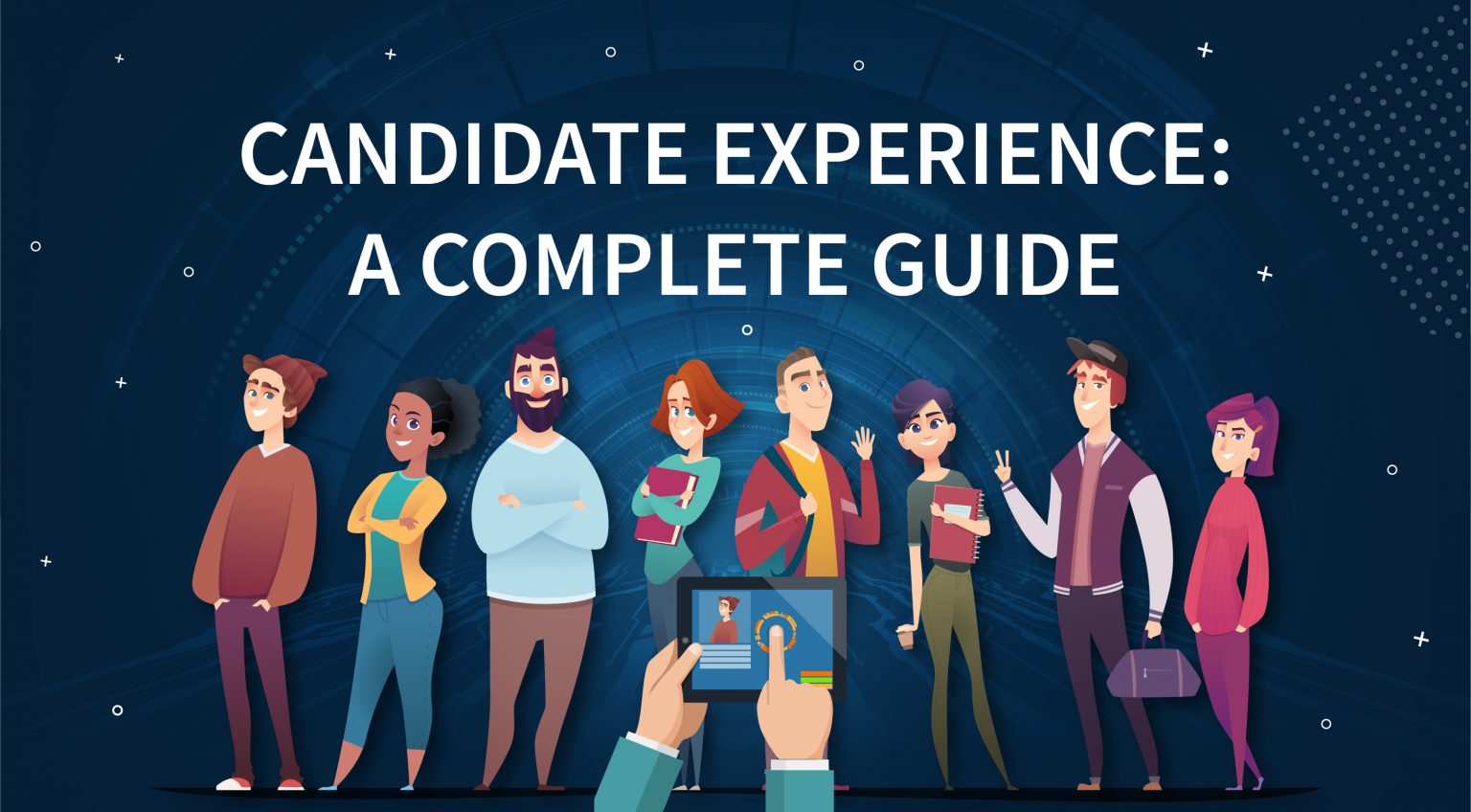
Candidate Experience in Recruiting

A positive experience can boost employer branding, draw in the best talent, and increase retention rates. The candidate experience in recruiting refers to how candidates see and engage with a company during the hiring procedure. 

Essential elements of the candidate experience

Candidate experience hack:
Treat every candidate like a future customer
  • Transparent job descriptions that include specific details about the responsibilities of each position.
  • Streamlined Application Process – Candidates can easily apply without encountering pointless obstacles.
  • Effective Communication – Notifying applicants at all points of the process.
  • Respect for Time – Making sure that interviews and feedback are given on time and that they are conducted effectively.
  • Personalized Interactions – Treating candidates as individuals rather than just applicants.
  • Onboarding Experience – A seamless transition from applicant to employee.

Effective ways to enhance the recruitment process

  • Continuous Communication: Reduce ambiguity by keeping candidates abreast of every stage.
  • Clearly define hiring procedures and deadlines to create trust through transparent processes.
  • Mobile-Friendly Applications: Make sure applications and job postings are mobile device optimized.
  • Constructive Feedback: Offer insightful feedback, even to candidates who were turned down.
  •  Individualized Interactions: Make candidates feel valued by including a human element into interviews and emails.
  • Time Respect: Plan interviews effectively and minimize rounds.
  • Employer Branding: Use interesting material to highlight the company’s culture and values.

Insights on every job candidate

  • Onboarding Excellence: Ensure a smooth transition from candidate to employee.
  • Community Involvement: Establish online groups or talent pools for prospective applicants.
  • Outstanding Onboarding: Ensure a smooth transition from candidate to employee.
  • Ongoing Improvement: Conduct frequent evaluations and adjustments to hiring practices

Reasons the Candidate Experience Matters

The candidate experience: 
“It will make or break your brand!”
  • Reputation: Websites such LinkedIn and Glassdoor are frequently used to share negative experiences.
  • Rates of Acceptance of Offers: A positive experience increases the likelihood that offers will be accepted.
  • Referrals: Happy candidates might recommend others, even if they are turned down.
  • Business Impact: A bad procedure might result in client loss, particularly if the applicant is also a consumer.

    Crucial Effects of a Poor Candidate Experience

How a Bad Candidate Experience Drives Away Top Candidates

  • Candidates with high potential might withdraw from the hiring process.
    Skilled candidates might decline job offers if they perceived a lack of value or felt frustrated throughout the hiring process.
    Ineffective follow-up or communication can lead to top talent accepting offers from other companies. 
  • Harm to Employer Reputation
    Adverse feedback on platforms such as Glassdoor, indeed, or LinkedIn.
    Reputational harm through professional networks via word-of-mouth.

    Applicants might perceive the organization as chaotic, disrespectful, or lacking professionalism. 
  • Condensed Candidate Pool
    Reduced number of candidates because of poor image.
    Candidates who are referred might choose not to apply if previous applicants report negative experiences. 
  • Reduced Offer Acceptance Rates
    Applicants who perceive disrespect or deception are less inclined to accept offers, even when the position or pay is appealing.
  • Client Attrition
    For B2C businesses, a poor candidate experience can lead to losing real customers: 

Why Candidate Experience Matters

For more info and knowledge, come join us at Aone Talent 

Our team experts will help you with all the recruiting and consulting services.

Visit us https://aonetalent.com or email us at info@aonetalent.com

14May

How to Attract Elite Talent Even in the Face of Skill Deficits

Hiring top talent when you have limited skills—especially in areas like recruiting, evaluating technical expertise, or leading a team—can seem intimidating. But it’s entirely possible with Aone Talent. Here’s a practical roadmap:

How to Attract Elite Talent

Get Clear on What “Top Talent” Means for You

“Top talent” doesn’t always mean the most decorated résumé. It means someone who:

  • Solves your problem well
  • Aligns with your goals
  • Brings energy and ideas that elevate your business

Borrow Credibility & Expertise

If you’re not confident in your ability to evaluate candidates:

  • Use referrals: Ask mentors, peers, or industry contacts to recommend people.
  • Bring in a part-time expert: Hire someone temporarily to help you interview or review test work.

Sell the Opportunity, Not the Job

Top performers want more than a paycheck—they want to build something meaningful. Even if your company is small:

  • Pitch vision: Where are you going? Why does this matter?
  • Offer autonomy & growth: Great people love ownership and challenge.
  • Highlight flexibility or mission: Remote work, freedom, or an inspiring mission can attract talent more than high salaries.

Use Paid Trials Instead of Interviews

If you’re not good at interviews, skip them. Instead:

  • Offer a small paid test project (ideally something useful to you anyway)
  • See how they work, communicate, and solve problems
  • Evaluate outcomes, not talk

Focus on Values Fit

Even if you can’t evaluate all the skills, you can assess:

  • Do they take initiative?
  • Do they learn quickly?
  • Do they communicate clearly?
  • Do they care about doing great work?

Start Small and Scale Up

Don’t feel pressure to hire full-time or commit right away.

  • Start with freelancers or part-time contributors
  • Scale with the best ones
  • You’ll learn a lot by doing, and gain confidence over time

How to Attract Elite Talent Even in the Face of Skill Deficits

You don’t need to be an expert to attract experts—you just need to be:

  • Clear on your goals
  • Honest about your needs
  • Willing to learn alongside great people

For more info and knowledge, come join us at Aone Talent.

Visit us https://aonetalent.com or email us at info@aonetalent.com